Keeping industrial machinery in top shape is crucial for sustaining productivity and reducing long-term costs. These machines are the backbone of many operations, and ensuring they last as long as possible is a priority for many businesses. Neglected maintenance or improper use can lead to breakdowns, costly repairs, and downtime.
An effective maintenance plan, proper operator training, and smart technology can transform machinery management. Ensuring machines last longer requires dedication but pays off through smoother operations and fewer disruptions. These measures keep your machinery well-functioning, allowing your business to thrive without unnecessary hiccups.
Implementing Preventive Maintenance Programmes
Preventive maintenance is the cornerstone of extending machinery lifespan. Unlike reactive maintenance, which only kicks into action after a breakdown, preventive maintenance seeks to spot issues before they become significant problems. This proactive approach helps keep your machinery fully operational and minimises downtime.
One effective way to start is by setting a maintenance schedule. Routine checks and servicing help catch problems early. Regular oil changes, lubricating moving parts, and replacing worn-out components can save time and prevent larger issues. Creating a logbook that tracks each inspection and service performed is important. This record helps keep everyone informed about what maintenance tasks are due and tracks the machine’s performance over time.
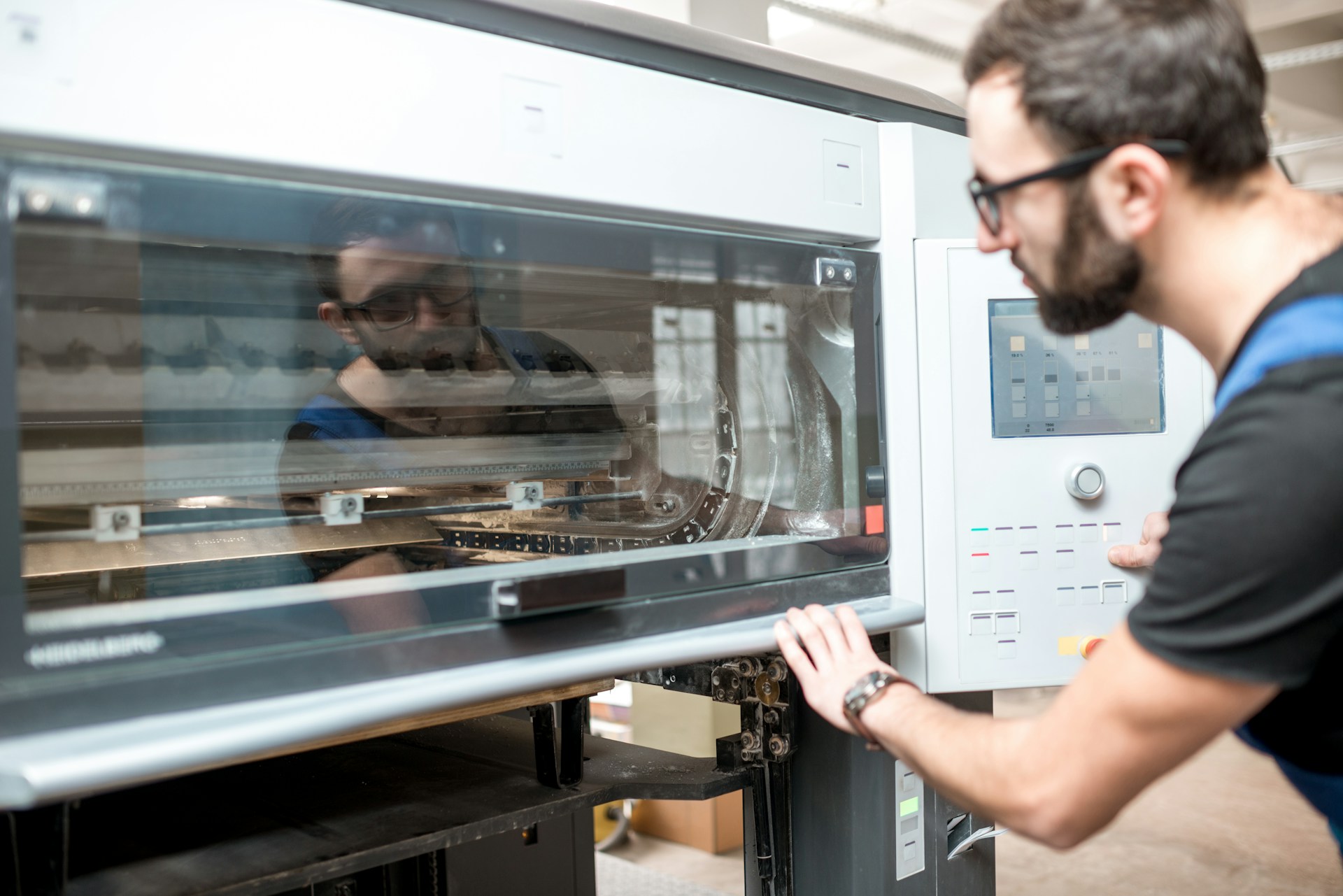
Another key element is condition monitoring. This involves observing machines while they operate to detect any unusual sounds, vibrations, or performance dips. Sometimes, these symptoms signal that a part is wearing out or needs attention before it leads to a breakdown.
Here are a few steps for effective preventive maintenance:
1. Develop a Plan: Establish clear guidelines and schedules based on manufacturer recommendations and past performance.
2. Staff Training: Ensure operators know how to perform basic maintenance tasks and identify warning signs.
3. Regular Inspections: Schedule periodic inspections to look for potential problems.
4. Document Everything: Keep accurate records of maintenance activities and results.
Implementing a solid preventive maintenance programme keeps your machinery running smoothly and reduces the chances of unexpected failures.
Training Staff for Optimal Equipment Usage
Training staff is essential for the long-term health of industrial machinery. Well-trained operators use machines correctly, reducing wear and tear and helping avoid costly mistakes. When staff know how to handle equipment properly, the machinery performs better and lasts longer.
First, comprehensive training sessions should be provided for all machinery operators. These should cover the basic operations and include advanced equipment operation techniques. It’s crucial to teach staff about the specific models they will be working with and highlight common issues they might encounter.
Regular refresher courses can effectively update operators on best practices and remind them of proper procedures. Training must be adjusted to cover new features or technologies as machines upgrade.
Consider the following tips for effective training:
1. Hands-On Training: Use simulations and practical exercises to give hands-on experience.
2. Machine Manuals: Ensure all operators understand the importance of reading and following the instructions in machine manuals.
3. Safety Protocols: Always include safety training in operational procedures.
4. Feedback System: Create an environment where operators can provide feedback on the machine’s performance.
5. Mentoring: Pair experienced operators with new staff to share knowledge and improve skills.
Training programmes build confident operators who can handle equipment well, ensuring longer-lasting machinery and fewer operational problems.
Utilising Advanced Technology for Monitoring
Technology plays a significant role in keeping industrial machinery running smoothly. Using advanced technology to monitor equipment can help catch problems early and keep things working well. Smart sensors and IoT (Internet of Things) devices are tools that can track the performance of machines in real time.
These devices provide valuable data about how machines are operating. This includes information about temperature, vibration, and speed, among other factors. By analysing this data, operators can spot unusual patterns that might indicate future issues. Instead of waiting for something to break, they can solve problems before they get big.
Predictive maintenance is another great tool. This approach uses data to predict when a machine might need repair. This helps avoid unexpected breakdowns and prolongs the life of the equipment.
Consider these benefits of using technology for monitoring:
1. Real-Time Data: Gives immediate insights into machine performance.
2. Reduced Downtime: Fix problems before they cause breakdowns.
3. Enhanced Safety: Alerts operators to potential hazards.
4. Cost Effectiveness: Spending money on repairs less often saves money.
Advanced technology allows factories to avoid issues and maintain smooth operations with less effort and fewer surprises.
Establishing a Routine for Parts Replacement
Replacing parts before they fail extends the life of industrial machinery. A routine schedule for inspecting and changing parts helps avoid major issues that could lead to costly repairs. Operators can make timely replacements by understanding which parts wear out most quickly.
Start by identifying critical components and their expected lifespans. Some parts will wear faster due to constant use. Keep a list of these parts and monitor their condition regularly.
Next, it’s important to maintain an inventory of replacement parts. Keeping spares on hand ensures that replacements can happen quickly, minimising the time a machine is offline. Establishing relationships with reliable suppliers also guarantees access to quality parts when needed.
Here are simple steps for setting up a replacement routine:
1. Priority List: Identify key parts that are essential for operations.
2. Usage Monitoring: Regularly check these parts for wear and tear.
3. Inventory Management: Stock up on commonly replaced parts.
4. Replacement Schedule: Plan for part changes based on their usage patterns.
5. Supplier Coordination: Develop partnerships to secure timely deliveries.
A structured approach to parts replacement avoids emergency repairs and keeps machinery operating efficiently, safeguarding productivity.
Conclusion
Ensuring the longevity of your industrial machinery requires careful planning and action. Implementing preventive maintenance, providing effective training, embracing technology, and establishing a routine for parts replacement keep machines running longer. These steps minimise downtime, reduce repair costs, and enhance overall efficiency.
Industries rely on well-maintained machinery for continuous and smooth operations. Regular check-ups, informed operators, and timely replacements ensure machines remain in prime condition. This dedication to upkeep boosts performance and controls expenses associated with breakdowns.
The Machine Market is here to help you find solutions to keep your industrial machines in top shape. Whether you need new equipment or are looking to sell your current machinery, we connect you with the best options. Visit our platform to explore how we can assist you in keeping your machinery running smoothly and efficiently.