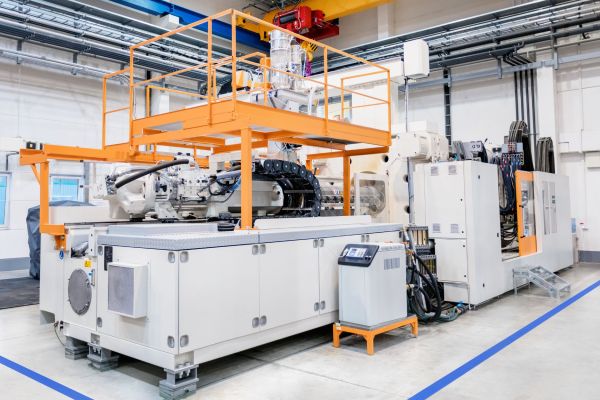
Factory machines play a crucial role in manufacturing by speeding up production and improving efficiency. Understanding the different types of these machines can help businesses choose the right equipment for their needs. This guide will provide an overview of various factory machines and their roles in the production process.
From machines that handle production tasks to those that take care of packaging and labelling, factories rely on a variety of equipment to keep operations running smoothly. Each type of machine serves a specific purpose, contributing to the overall workflow in different ways. Knowing which machine does what can make a big difference in planning and organising a factory.
Additionally, the rise of automation and smart factory machines is revolutionising the industry. These advanced systems incorporate modern technology to make manufacturing smarter and more efficient. They offer features like real-time monitoring and automated adjustments, which can lead to higher productivity and reduced costs.
By learning about the different types of factory machines, you can make better decisions for your business. Let’s dive into the specifics and explore how these machines contribute to the world of manufacturing.
Overview of Factory Machines and Their Roles
Factory machines are essential for various operations in the manufacturing process. Each machine has a specific job that contributes to the overall production line. Understanding their roles helps in selecting the right equipment for different tasks.
Production machines are at the heart of manufacturing, performing tasks such as cutting, shaping, and assembling. They are designed to handle repetitive tasks efficiently, ensuring consistency and precision in the final product. Without these machines, production would be slow and prone to errors.
Packaging and labelling machines come into play after the production stage. Their role is to package and label finished products quickly and accurately. These machines ensure that products are securely packed and properly labelled, ready for distribution. This step is crucial for maintaining product quality and meeting regulatory requirements.
Automation and smart machines are transforming factories by introducing advanced technology. These machines can perform complex tasks with minimal human intervention, leading to increased productivity and reduced labour costs. They also enhance safety by taking over dangerous or repetitive tasks, allowing employees to focus on more critical activities.
Types of Production Machines
Production machines include a wide range of equipment used to create products from raw materials. These machines are designed to perform specific tasks, ensuring that each part of the production process runs smoothly. Here are some common types of production machines:
- Cutting Machines: These machines cut materials into desired shapes and sizes. Examples include laser cutters, water jet cutters, and plasma cutters. Each type has its own advantages and is chosen based on the material being cut.
- Milling Machines: Milling machines remove material from a workpiece to create a desired shape. They are used in various industries, including metalworking and woodworking. Milling machines can handle complex shapes and are versatile in their applications.
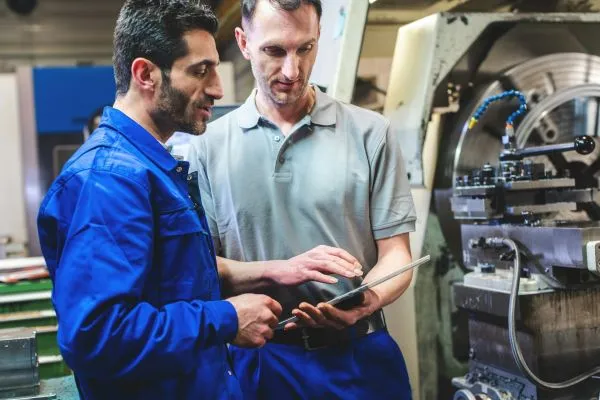
- Lathes: Lathes rotate a workpiece while a cutting tool shapes it. They are used to create cylindrical parts and are essential in industries like automotive and aerospace. Lathes can produce precise and smooth finishes on metal and other materials.
- Drilling Machines: These machines create holes in materials. They are used in many manufacturing processes, from creating small holes in printed circuit boards to drilling large holes in metal constructions. Drilling machines vary in size and power, suitable for different types of work.
- Presses: Presses apply force to shape or cut materials. They are used in processes like stamping, forging, and moulding. Presses range from small bench-top models to large industrial machines, capable of handling heavy-duty tasks.
By understanding the different types of production machines, businesses can select the right equipment for their specific needs. This ensures efficiency and precision in the manufacturing process, leading to high-quality products.
Types of Packaging and Labelling Machines
Packaging and labelling machines play an essential role in the final stages of the manufacturing process. After production, these machines prepare products for shipment by ensuring they are properly packaged and labelled. Here are some common types of these machines:
- Wrapping Machines: Used to wrap products securely, preventing damage during transport. This is especially important for fragile items. Common types include shrink wrapping and stretch wrapping machines.
- Filling Machines: Fill containers with products such as liquids, powders, or granular items. They ensure accurate filling, which is crucial for products sold by volume or weight. Examples include liquid fillers, volumetric fillers, and auger fillers.
- Sealing Machines: Seal packaging to keep products fresh and protected. This category includes heat sealers, vacuum sealers, and impulse sealers. They work with various packaging materials like plastic, foil, and bags.
- Labelling Machines: Apply labels to packages with information like brand, ingredients, and barcodes. This step is vital for product identification and regulatory compliance. Labelling machines include pressure-sensitive labellers, hot melt glue labellers, and sleeve applicators.
- Case Erectors and Packers: Build boxes and pack products into them. These machines streamline the packaging process for bulk shipments. Case erectors form boxes from flat cardboard, while packers place products into the boxes.
Using these machines helps streamline the packaging process, ensuring efficiency and consistency. Proper packaging and labelling also protect products and provide important information to consumers.
Automation and Smart Factory Machines
Automation and smart factory machines are transforming the manufacturing landscape. These advanced systems integrate cutting-edge technology to make processes faster, safer, and more efficient. Here are some ways automation and smart machines are utilised:
- Robots and Cobots: Robots handle repetitive and dangerous tasks like welding, painting, and assembling. Cobots, or collaborative robots, work alongside humans to enhance productivity without compromising safety. They can be programmed for various tasks and easily reconfigured for different jobs.
- Automated Guided Vehicles (AGVs): AGVs transport materials within factories without human intervention. They follow predefined routes, ensuring timely delivery of components and finished products. AGVs reduce the need for manual material handling, lowering the risk of accidents and errors.
- Smart Sensors and IoT: Smart sensors monitor equipment performance and environmental conditions in real time. They collect data and communicate with other machines through the Internet of Things (IoT). This connectivity enables predictive maintenance, reducing downtime and improving efficiency.
- Machine Learning and AI: Factories are adopting machine learning and AI for process optimisation. These technologies analyse data to identify patterns and suggest improvements. AI-driven systems can adjust machine settings automatically to optimise production and reduce waste.
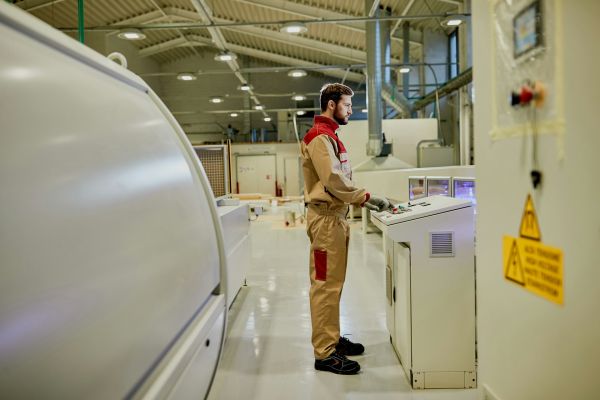
- Advanced Control Systems: Modern control systems integrate various machines and processes. They provide a centralised platform for monitoring and controlling all aspects of production. This integration enhances coordination and streamlines operations.
By embracing automation and smart factory machines, manufacturers can achieve higher productivity, reduce costs, and improve safety. These technologies represent the future of manufacturing, driving progress and innovation.
Conclusion
Understanding the various types of factory machines is essential for optimising manufacturing processes. From production equipment like cutting, milling, and lathing machines to packaging and labelling machines, each type helps ensure efficiency and quality. Automation and smart factory machines bring advanced technology to the fore, offering numerous benefits in productivity and safety.
By selecting the right equipment for each stage of production, businesses can streamline operations and achieve better results. Investing in these machines also prepares manufacturers for future advancements in technology, setting them up for long-term success.
For more information and to explore a wide range of industrial machinery, visit The Machine Market. Connect with trusted sellers and find the perfect machine for your needs today!